Rattan, rush and esparto: natural fibres for house and terrace
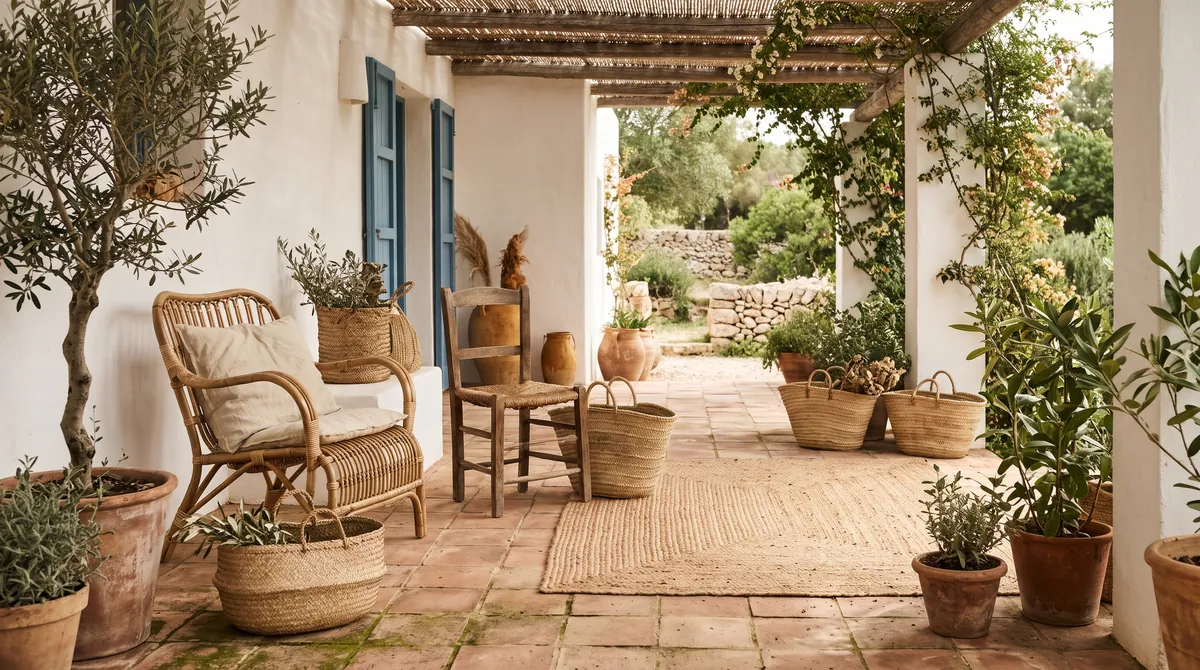
Cane chairs, rush seats, esparto mats and palm baskets: what each natural fibre really is, where it belongs and how to keep it beautiful for years.

Section 05
Clay, lime and patient hands
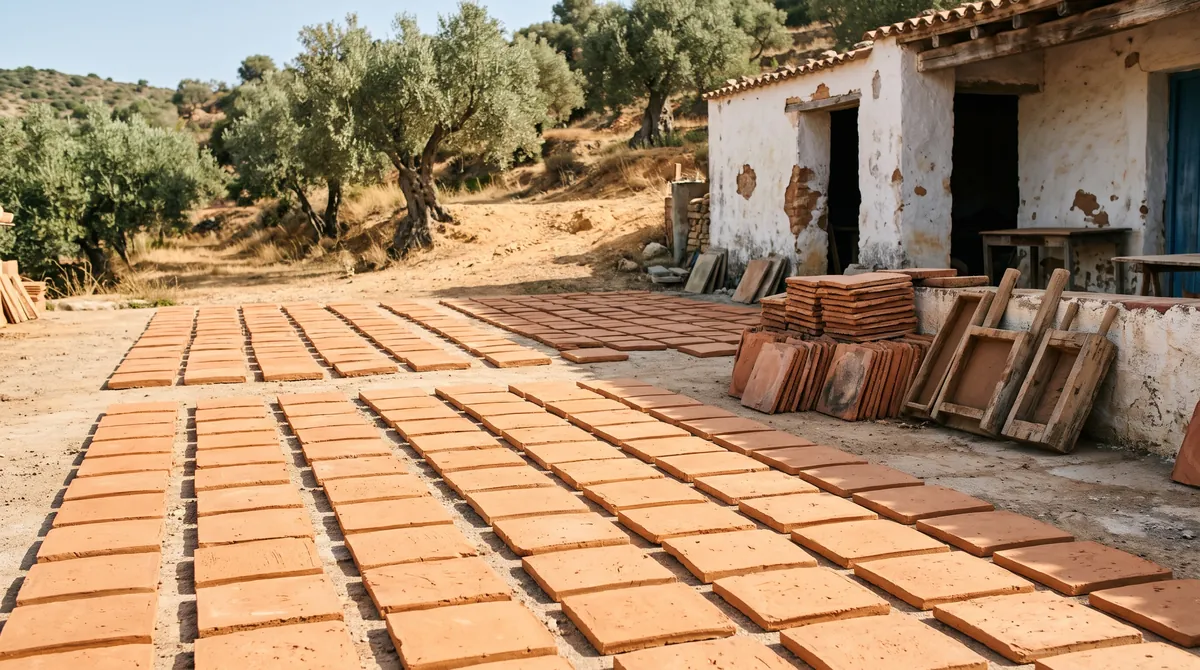
Much of the beauty of Mediterranean houses comes from a few honest materials and the hands that work them: clay fired into tiles, lime burned and slaked into plaster, stone stacked into walls without mortar, grasses and canes woven into baskets and chairs. We explain how these materials are made, how to recognise good work, where the traditions come from and how to care for them in a modern home.
Cane chairs, rush seats, esparto mats and palm baskets: what each natural fibre really is, where it belongs and how to keep it beautiful for years.
More from Materials & Craft
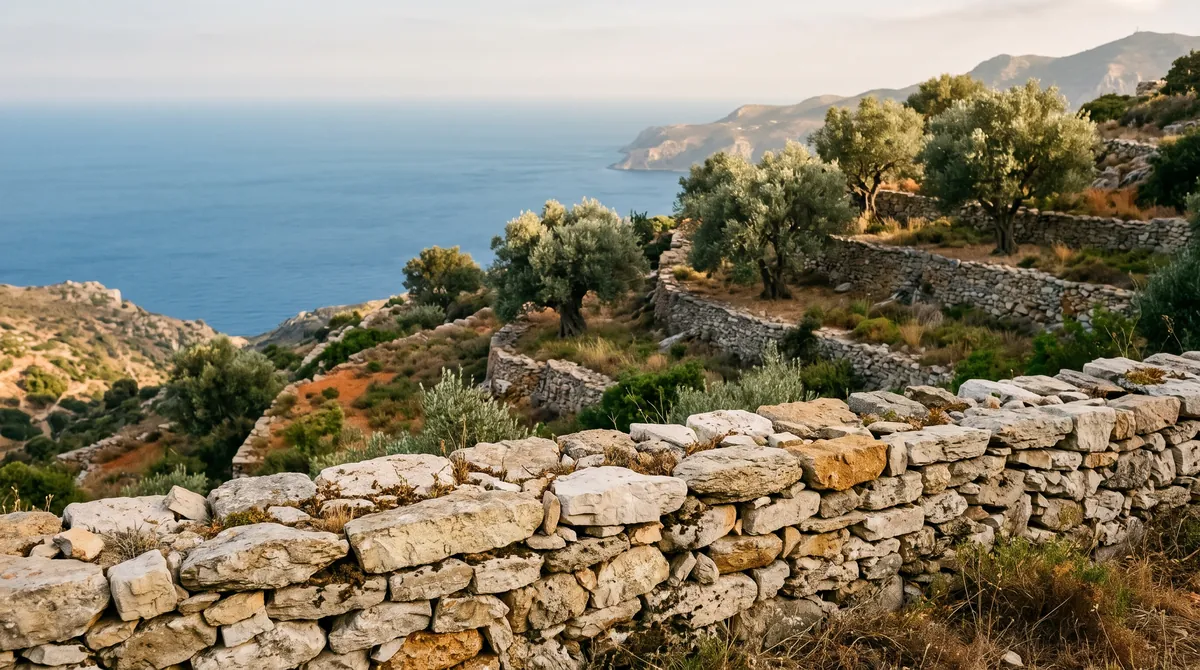
No mortar, only weight, friction and patience: how dry stone walls stand for generations, why they shape whole landscapes, and how to build a low one in your garden.
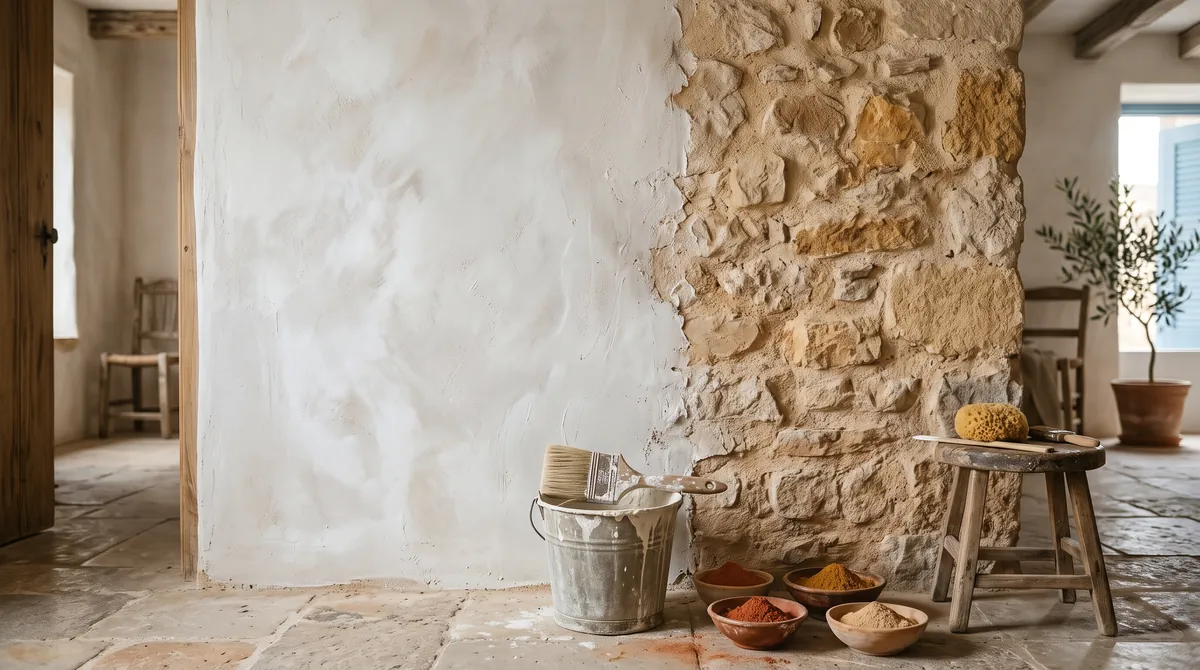
From limestone to wall and back to stone again: how the lime cycle works, why lime walls breathe and glow, and how to limewash safely at home.
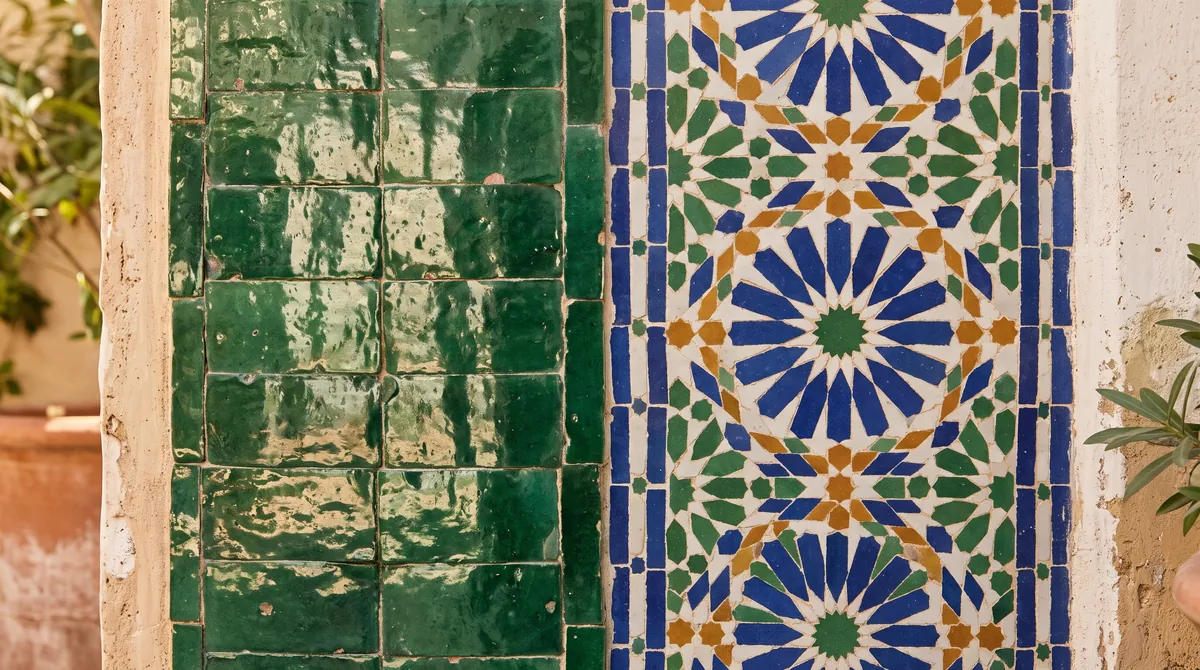
Small pieces of glazed clay, cut by hand into stars and polygons: what makes zellige so alive in the light, and how to use it at home without losing its character.
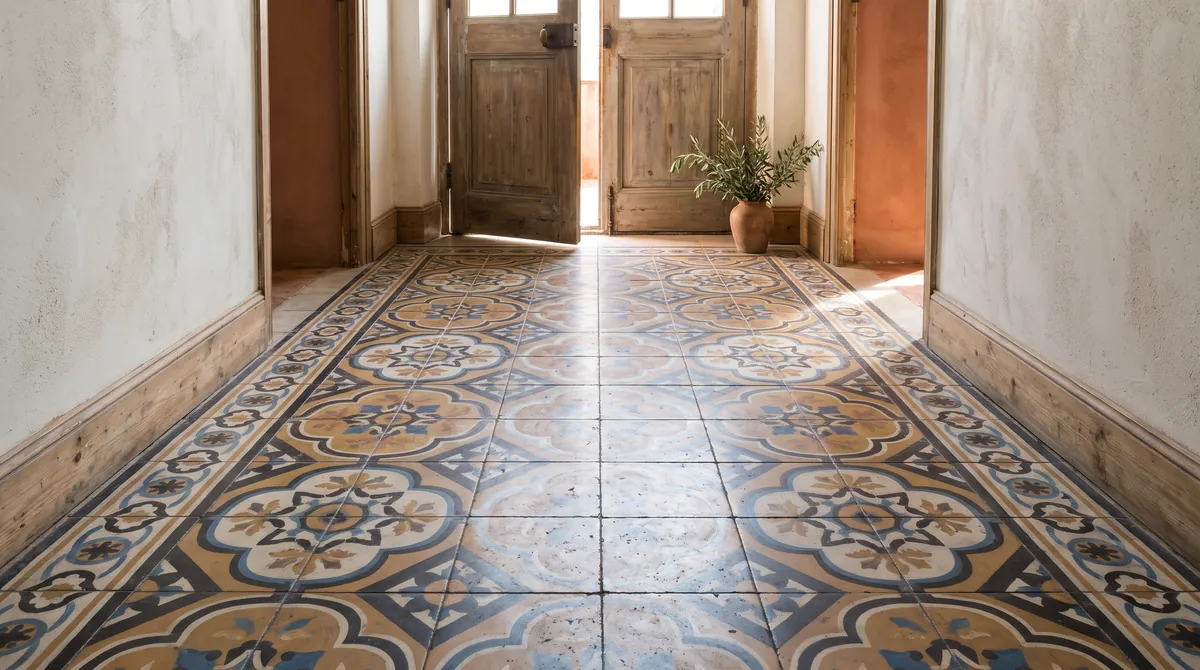
Pressed, not fired, with colour that runs several millimetres deep: how encaustic cement tiles are made, where they belong and how to keep them beautiful.
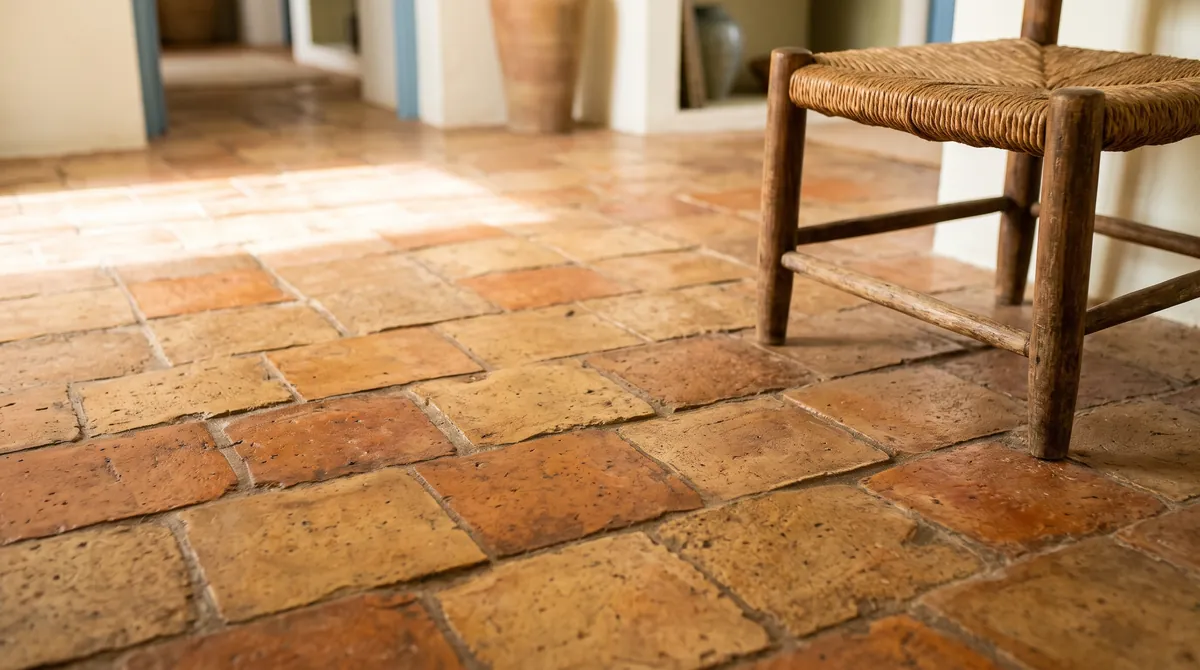
Baked earth underfoot: how handmade, machine-made and reclaimed terracotta differ, how a floor is laid and sealed, and why it only grows better with age.
In this section
Browse all five sections on the home page, or let the plant finder suggest what to grow on your terrace.
Other sections