
Small plates: mezze, tapas and antipasti for long evenings
Many small dishes, shared, with bread, oil and something cold to drink. How to plan an evening of small plates that is generous for the guests and relaxed for the host.
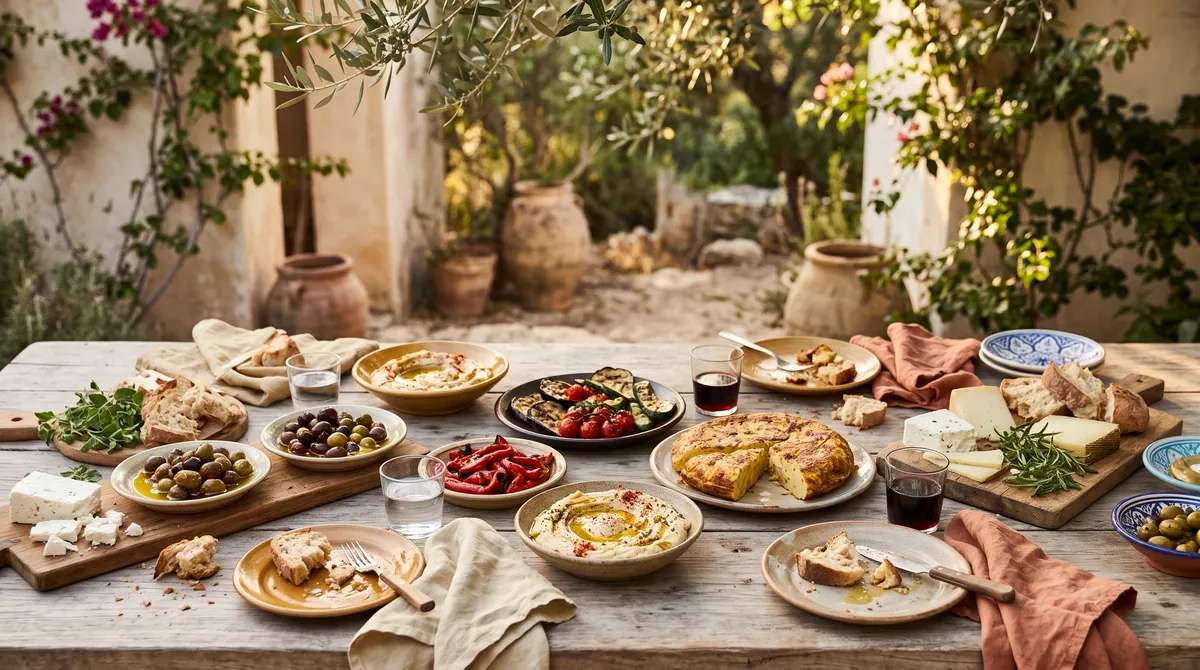
By the time the first guests arrive, most of the work is done. Roasted peppers glisten in their oil, a bowl of olives smells of orange peel and fennel, white beans sit under a scattering of parsley, and a Spanish potato omelette has cooled to exactly the right temperature, which is the temperature of the evening. Only the halloumi waits for the grill. Small plates are the most generous way to feed people and, done well, the most relaxed for the host, because nothing has to reach the table at a precise minute.
One habit, many names
Around the Mediterranean, people have long eaten this way: many small dishes, shared, with bread and something to drink, and conversation that sets the pace. In Spain they are tapas. Tapa means lid or cover, and a popular story says that a slice of bread was once laid over a glass to keep out dust and flies, with something good on top of the bread. Whether or not it happened that way, it is a nice story to tell while you pour.
In Greece, Turkey and the Levant the same spirit goes by the name of mezze: hummus, baba ganoush, tzatziki, stuffed vine leaves, olives, cheese and grilled halloumi. In Italy the meal often begins with antipasti, literally the things before the meal: marinated vegetables, bruschetta, cheeses and cured meats. The dishes differ, but the idea is the same. Nobody gets a plate of their own, everybody tastes everything, and the evening stretches out.
Plan around room temperature
The secret of a relaxed small-plates evening is choosing dishes that are made ahead and taste good at room temperature, many of them even better after a few hours, when the flavours have settled. Build most of the table from these:
- Roasted peppers, peeled and dressed with olive oil, garlic and a little vinegar.
- Marinated olives with citrus peel, garlic, fennel seed or a little chilli.
- White beans with herbs, lemon and plenty of good oil.
- A Spanish potato omelette, which slices more neatly once it has cooled.
- Caponata, the Sicilian sweet and sour aubergine dish, which is often better the next day.
- Hummus and baba ganoush, made in the morning and finished with oil just before serving.
Then add a few warm dishes from the oven or the grill (two or three are enough): halloumi, skewers, bruschetta toasted over the coals, flatbreads or a tray of roasted vegetables. They give the evening a second act and draw guests over to the fire.
Balance colour and texture
Several small dishes work better than a few large ones, because they let you play with contrast. Set something creamy, such as hummus or tzatziki, beside something crisp, such as toasted bread, raw cucumber and radishes. Put soft, slow-cooked vegetables next to charred ones from the grill, salty cheese and olives beside sweet tomatoes and melon, and pale dips beside the deep red of roasted peppers and the green of fresh herbs.
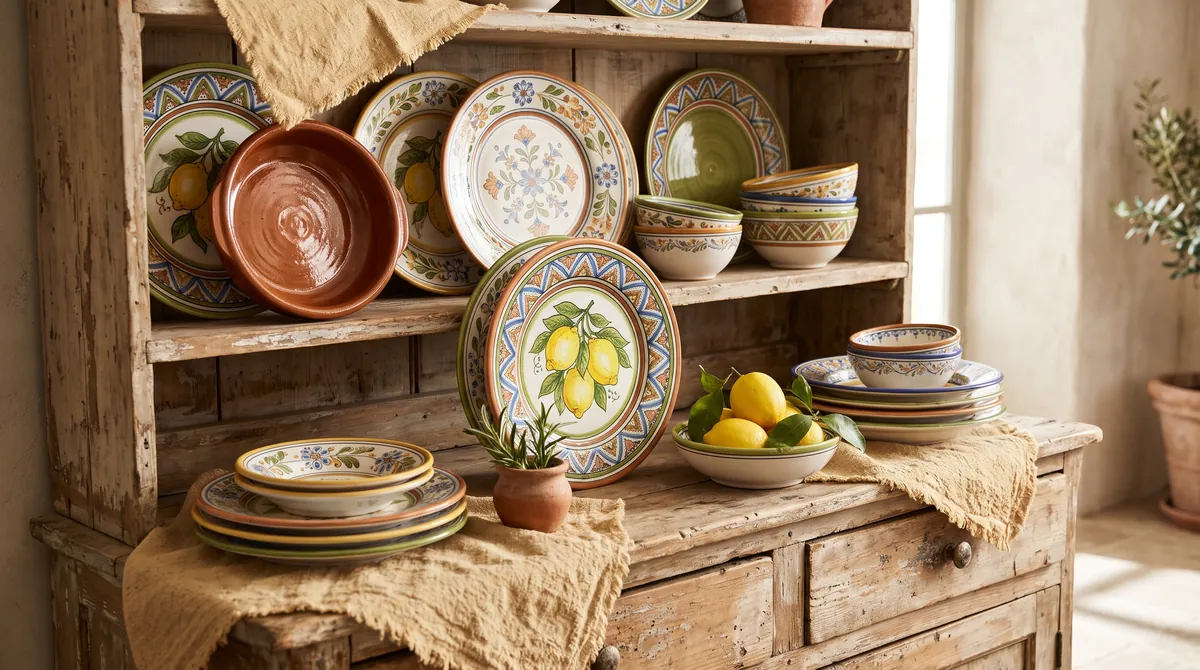
The serving matters too. Wooden boards carry bread, cheese and cured meats; ceramic plates and small bowls hold the wetter dishes and the oil. Mixed pieces from different places look more inviting than a matching set. Leave enough space between the dishes for hands to reach, and put a small spoon or fork in each one so that nobody has to use their own.
Bread, oil and salt
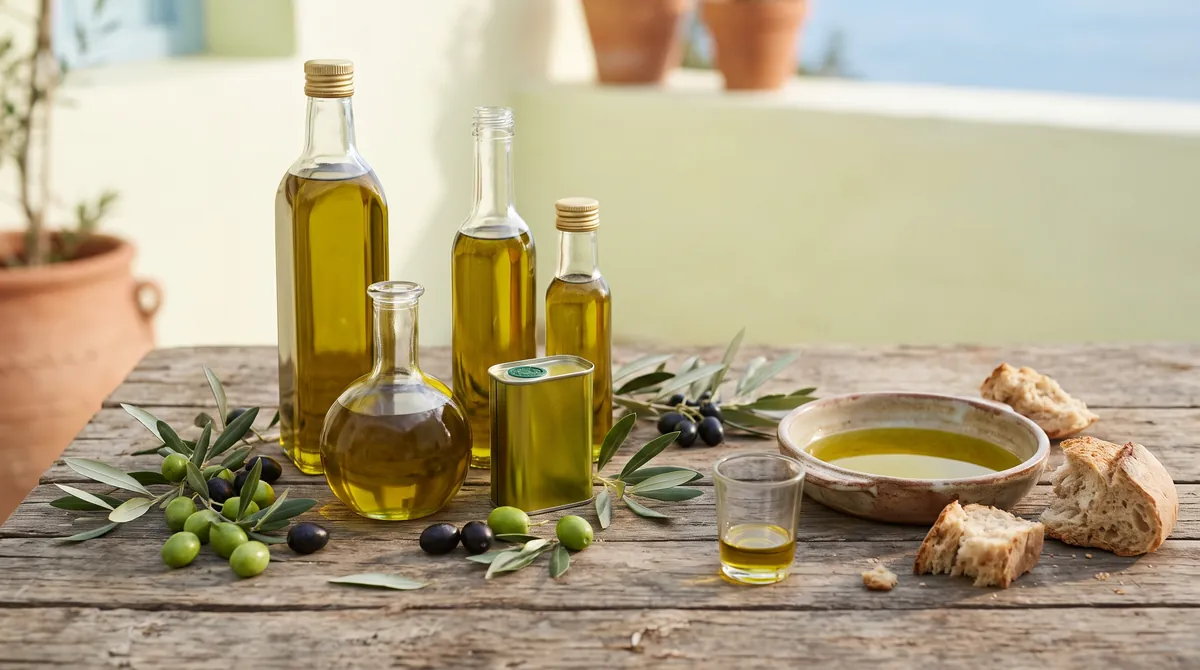
Bread, good olive oil and salt are the quiet foundation of every small-plates table. Bread carries dips and sauces and fills the gaps between dishes; flatbreads suit mezze, while a crusty country loaf suits tapas and antipasti. Put out a dish of good oil and a little bowl of flaky salt, and guests will season as they like. With these three on the table, even a modest spread feels complete, and a late guest can always be fed.
Keeping food safe in the heat
Warm evenings and food left out need a little thought. Keep cold dishes in the shade or on ice, and do not leave perishable food out for long in hot weather. Yoghurt dips, fish, cured meats, egg dishes and anything made with mayonnaise need the most care. A simple method is to set bowls inside larger bowls of crushed ice. Better still, put out small bowls and refill them often: the food stays fresh and the table always looks generous. Mesh domes or a fine linen cloth keep insects off the dishes that are waiting.
Put out small bowls and refill them often: the food stays fresh and the table always looks generous.
Follow the season, and a timetable
Small plates are made for seasonal produce, because each dish needs only a few good ingredients. Early summer brings broad beans, peas and the first courgettes; high summer brings tomatoes, peppers, aubergines, figs and melon; autumn brings grapes, mushrooms and, in time, the new olive oil. Let the market decide the menu, and then plan the work in stages.
- The day before: marinate the olives, cook the beans, and make the caponata and the hummus.
- In the morning: roast and peel the peppers, cook the omelette, make the tzatziki and chill it.
- An hour before: slice the bread, cheese and cured meats, and set out boards, plates and oil.
- As guests arrive: bring the cold dishes out into the shade and light the grill.
- During the evening: grill the halloumi and toast the bruschetta in small batches.
A generous table, a relaxed host
Not everything has to be homemade. A ripe cheese, good olives from the market and a fine cured ham are part of the tradition, not a shortcut. What matters is abundance without fuss, food that waits for people rather than the other way round, and a host who sits down with the guests. Pour a chilled white or a light red, keep the water jugs filled, and let the evening find its own length.
Questions and answers
How many dishes do I need for a small-plates evening?
Several small dishes rather than a few large ones, with the emphasis on variety. A good table mixes make-ahead dishes with two or three warm ones, plus bread, oil and salt. Bought cheese, olives and cured meats round it out.
What can I make the day before?
Marinated olives, white beans with herbs, caponata and hummus all keep well in the fridge and often taste better the next day. Roasted peppers and a Spanish potato omelette are best made in the morning. Dairy and fish dishes should stay chilled until shortly before serving.
Where does the word tapa come from?
Tapa means lid or cover in Spanish. A popular story says that a slice of bread was once laid over a glass to keep dust and flies out, with a morsel of food on top. It is a story rather than proven history, but it captures the spirit well.
How do I keep small plates safe on a hot evening?
Keep cold dishes in the shade or set them in bowls of ice, and do not leave perishable food out for long. Put out small portions and refill them from the fridge. Yoghurt dips, fish, egg dishes and cured meats need the most care.
Further reading in our network
- cucianaItalian fine dining in Europe
Italian fine dining, from antipasti to the regional dishes that follow them.
- vinorinaWine regions of Europe
The wine regions of Europe and the wines that suit an evening of shared plates.
Our articles are general information written with care. Building work, roof loads, electrics, gas and fire need qualified professionals and local permits; plant care depends on your own climate and soil.